
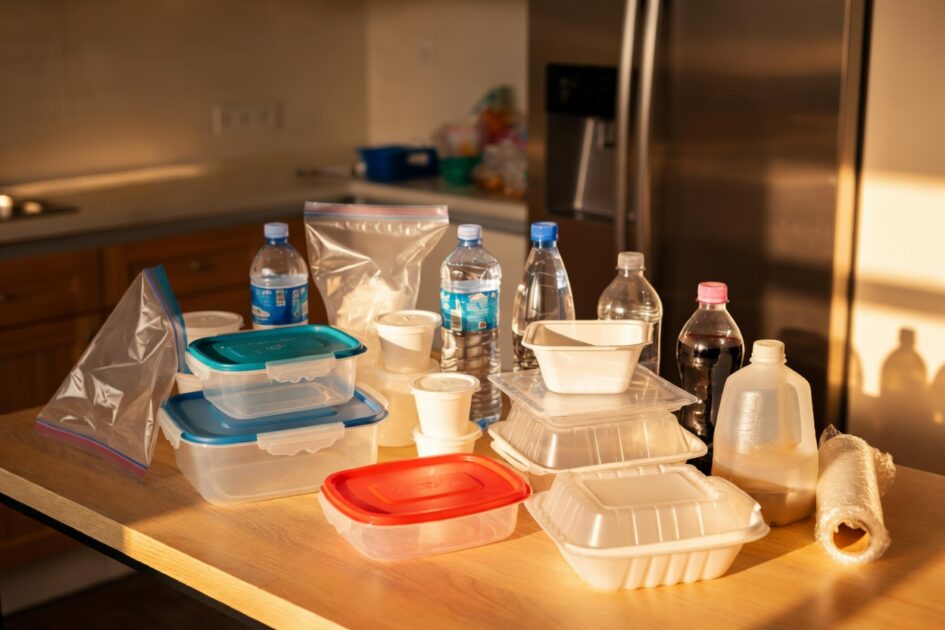
How to avoid microplastics and why it’s important to try.
It seems that every year a new discovery changes things. Especially with regard to health and wellness. When it is information that will change things for the better, it’s a benefit to everyone. Or at least, that’s the hope. Once upon a time when a community discovered a medical malady, doctors would diagnose based on research and symptoms. Researchers would study the phenomenon, and over the course of time learn as much as possible.
In those days some discoveries were accidental. However, the end result was treatment options, and in some cases, a cure. For example Penicillin. It was discovered by Scottish bacteriologist Alexander Fleming. Furthermore, it was an accident. It happened while Flemming was on vacation in 1928. And the first ever antibiotic arrived in the form of Penicillin, roughly ten years later. The initial accident set the stage for a cure-all treatment discovery.
With this in mind, there are many examples of accidental discoveries. However, few are as worrying as the most recent discoveries about microplastics. Apparently they are everywhere. Including, inside each of us. Microplastics are essentially everywhere now. They’re ubiquitous across ecosystems, and have made their way into the human body. Indeed, how to avoid microplastics is a matter of reduced exposure as they have become extremely pervasive at scale.
How To Avoid Microplastics
If you are a first time reader on this site, welcome. Perhaps the title about Microplastics is the reason for checking out this article. Furthermore, it could be that this information is still a widely unknown area of concern. Much of the current research is new and the findings are still in the preliminary stages. Apparently there is already enough evidence that more research, and action, are forthcoming.

In fact, HHS Secretary Kennedy and EPA Administrator Lee Zeldin just announced coordinated federal actions. This includes adding microplastics to the EPA’s Contaminant Candidate list. As well as the launching of the $144 million dollar STOMP program.
STOMP stands for the – Systematic Targeting of Microplastics, and its mission is “to measure exposure, define risk, and remove microplastics from the human body”. To see the announcement and read the article, click this link here.
As for avoiding microplastics, it’s not possible to eliminate them entirely (they’re too widespread). However it is possible to meaningfully lower intake, and exposure, with just a few everyday swaps. Researchers and health experts recommend the following practical steps.
How To Avoid Microplastics Practical Steps
There are practical steps a person can take to minimize daily intake of microplastics. As stated previously it isn’t possible to eliminate them entirely. They are too widespread and pervasive. The following list has some basic ways on how to avoid microplastics and to reduce personal exposure.
- Ditch single-use plastics for food and drink: Switch to stainless steel or glass water bottles and reusable containers. Avoid plastic bottled water when possible (tap water with a good filter is often better).
- Skip heating plastics: Never microwave in plastic containers or use plastic wrap that touches hot food. Heat accelerates chemical leaching and particle release.
- Change your kitchen tools: Replace plastic cutting boards with wood or bamboo. Use wooden or metal utensils. And avoid non-stick (Teflon) cookware.
- Store and Prep food smarter: Use glass/metal storage containers, beeswax wraps, or aluminum foil. Rinse rice, meat, and fish before cooking. Apparently the washing can cut microplastics by 20-40% in some cases. It is also advisable to favor fresh, whole foods over ultra-processed items.
- Laundry and Clothing choices: Wash synthetic clothes less often. Use a microfiber-catching laundry bag or filter, and switch to natural fibers (cotton, wool, linen) when possible.
- Water and Air filtration: A basic carbon pitcher filter or a reverse-osmosis system removes a high percentage of microplastics from drinking water. Regular vacuuming/mopping cuts airborne dust indoors. Make sure to use HEPA filters when possible.
- Other quick wins: Skip “fragrance” in personal care products (often hides phthalates). Avoid sea salt (some brands test higher), and reduce takeout in plastic containers.
An Important Issue
This discovery and information is still relatively new. Much of the information is available on the HHS website. Or follow Secretary Kennedy on X for the latest updates on this important issue. Much of the research is still new. Furthermore, it appears that the science on the widespread effects of microplastics is still evolving. Especially on the exact health effects.

However, the presence is undeniable. Furthermore, the momentum for action is growing fast. Similarly, the recommendations listed above, can also cut exposure to the chemical additives in plastics. For example, PFAS, phthalates, and flame retardants. These chemical additives can hitchhike on the small particles of microplastics. Although the information is new, as mentioned earlier, the momentum for action is growing fast.
In The Environment
The science is still evolving. Furthermore, microplastics are turning up everywhere. Especially in the environment.
- Oceans, rivers, lakes and sediments: The largest microplastics sink. Synthetic clothing fibers (especially polyester) are the top source, accounting for ~35% of ocean microplastics; tire wear dust is next at ~28%.
- Soil and agricultural land: From sewage sludge, plastic mulch films, and atmospheric deposition.
- Air: Even in remote areas like the Himalayas, Antarctica, and Arctic ice.
- Wildlife: Detected in over 1,300 species, including fish, whales, seabirds, and plankton.
They are essentially everywhere. Therefore, the momentum for action is positive news amidst this evolving and potentially harmful issue. Furthermore, having practical methods on how to avoid microplastics, is a positive step towards minimizing their effects. Until there are better methods for eliminating them, a serious reduction can’t hurt. Using the practical steps listed above, cutting exposure to microplastics is not only possible, but also preferable. Thanks for reading.
Thank you for reading! Like, follow and share The Frog Journal on X @1finja1 – and on The Frog Journal Facebook page click here. Subscribe to the free newsletter to stay up to date on new content and updates.

All original stories. Download in seconds, new titles weekly. The Frog Journal e-book shorts.
